Hey there, global scholars! 🌏✈️ Welcome to your insider’s guide to Nanjing—a city where ancient dynasties met modern megacampuses, where you can paddle through palace moats by day and karaoke until dawn. Whether you’ve come for a semester, a summer program, or a whirlwind exchange, this 10-minute read will arm you with cultural intel, fun facts, and a bucket-list of spots that’ll make your Nanjing adventure truly epic. Let’s dive in!
Nanjing isn’t just another stop on the study-abroad map, it’s a living classroom where every street corner whispers a story. As the former capital of six Chinese dynasties (and the Republic of China!), Nanjing seamlessly blends centuries-old traditions with a young, forward-looking energy that makes it the perfect backdrop for your academic and personal growth
🏰 Six Dynasties CapitalNanjing served as capital for six different dynasties over 1,800 years—from the Eastern Wu (AD 222) to the Ming (AD 1368) and even the Republic of China (1912–49).
🌉 First Home-Grown BridgeThe Nanjing Yangtze River Bridge (completed 1968) was the first major bridge wholly designed and built by Chinese engineers—6.7 km of pioneering pride.
📜 Ming’s Massive WallsIts 14th-century city wall spans over 35 km, making it the largest extant city wall in the world—bigger than the celebrated sections of the Great Wall!
🎓 Mega–Campus CityOver 30 universities call Nanjing home, including Nanjing University (est. 1902)—its main campus alone covers 2,600 acres, larger than Central Park in New York.
⚖️ Birthplace of Modern ChinaSun Yat-sen’s mausoleum sits atop Purple Mountain; his 1912 revolution ended Imperial rule and launched the Republic of China.
Places to Visit
Xuanwu Lake (玄武湖) – Lakeside Chill & Campus Strolls
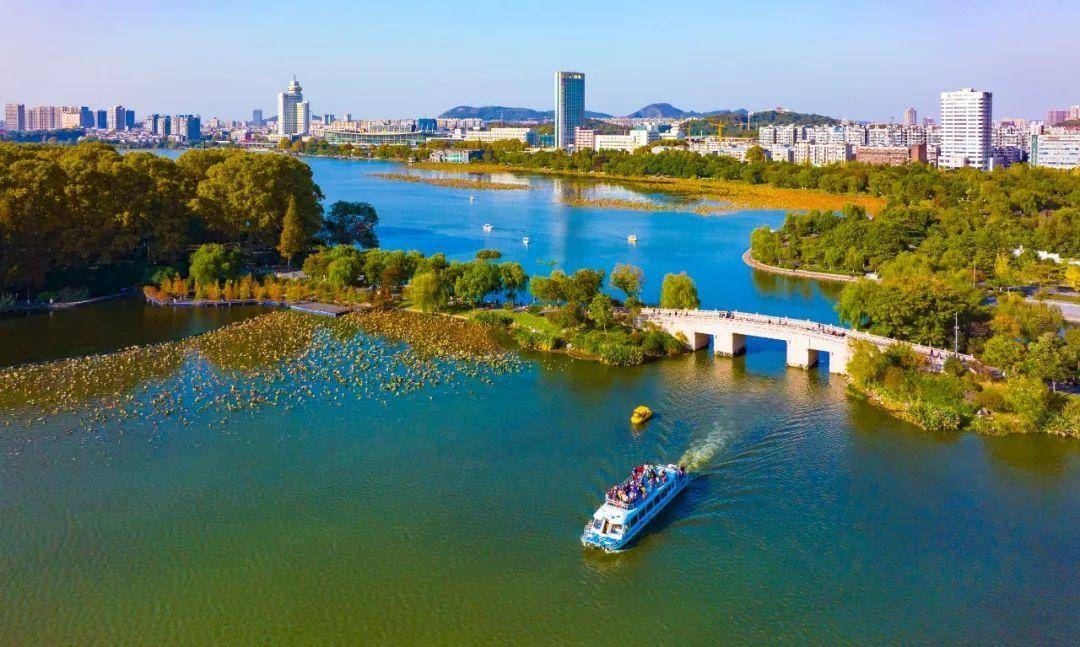
Why go? Right beside Nanjing University, this five-islet lake is your go-to for sunrise yoga, paddle-boating, or chasing ice-cream carts.
Fun Fact: The lake covers 444 hectares—bigger than Vatican City!
Student Tip: Scan your student ID at the rental kiosk for 20% off bikes and boats.
Purple Mountain (紫金山) – History on the Heights
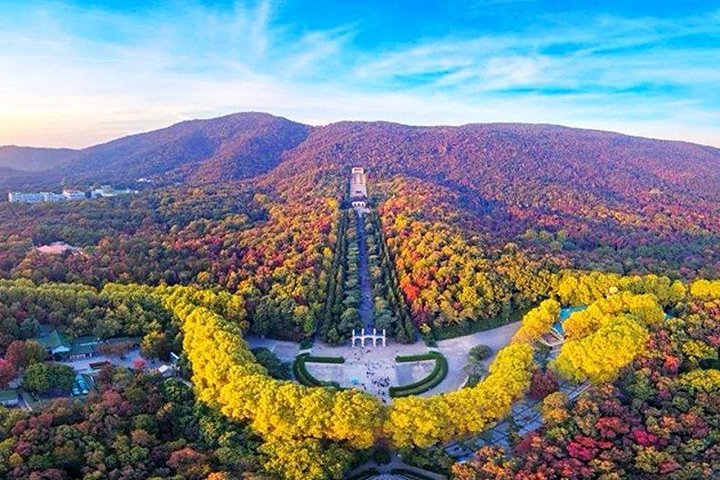
A 448 m granite ridge rising east of the city, Purple Mountain is a day-long playground of temples, tombs, and trails:
Sun Yat-sen Mausoleum (中山陵): 392 marble steps up to the “Father of Modern China’s” resting place—perfect for a pre-exam confidence boost!
Ming Xiaoling Tomb (明孝陵): Over 600 years old, its “Spirit Way” is lined by 12 pairs of stone guardians—lions, elephants, even mythical xiezhi.
Linggu Temple (灵谷寺): Home to a 33 m bronze Buddha and bamboo groves whispering centuries of prayers.
Fun Fact: The mountain boasts over 1,500 plant species and is sometimes nicknamed “Nanjing’s Green Lung.”
Pro Hack: Cable-car rides are half-price for students—just flash your card.
Nanjing City Wall & Zhonghua Gate (中华门) – Fortress Feels
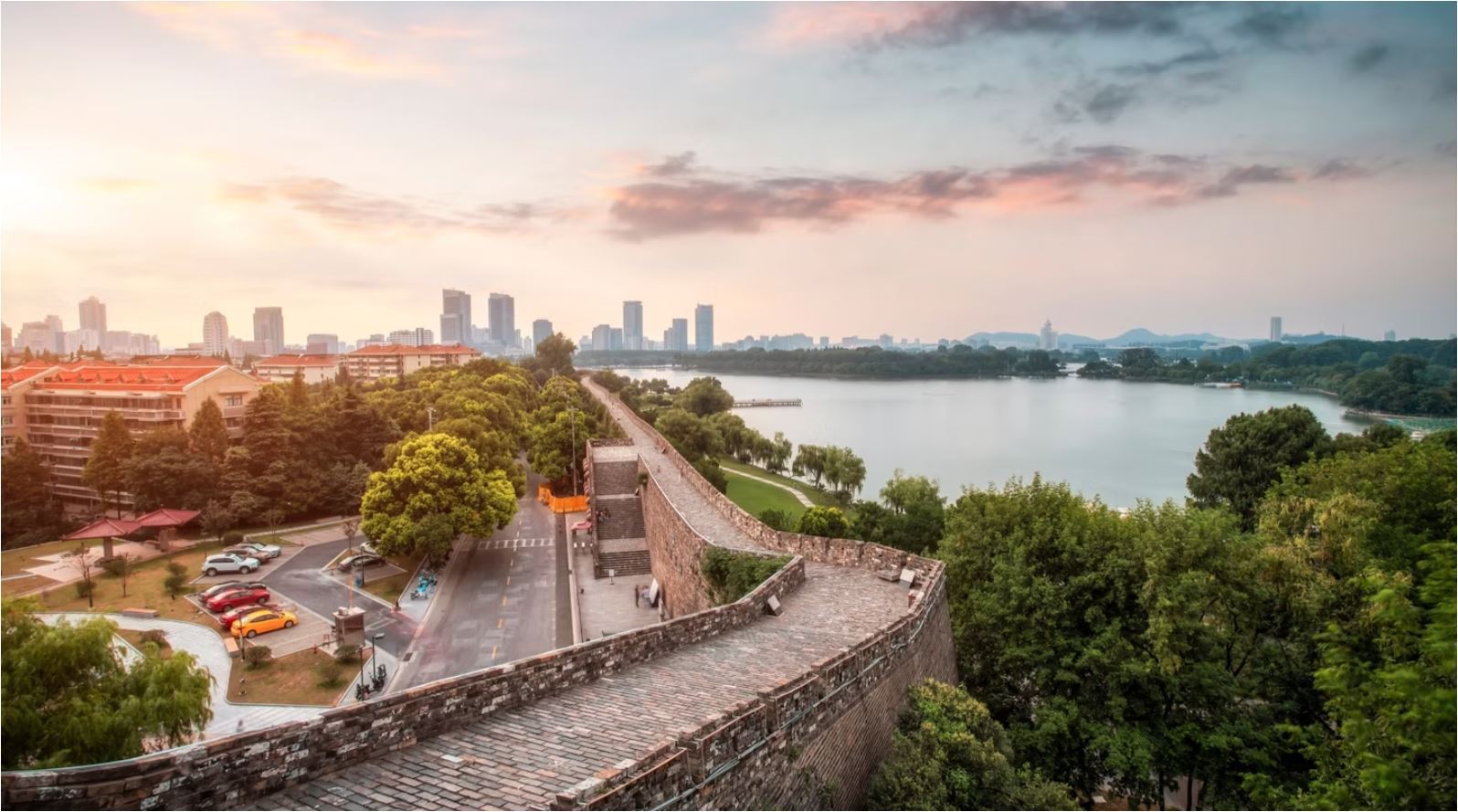
Why go? Built in 1366 under the Ming dynasty, this 35 km masonry wall is the largest city fortification ever constructed.Cool Fact: Zhonghua Gate’s maze of chambers and embrasures once held millions of bricks—and withstood seven major sieges.
Must-Do: Climb to the rooftop at sunset for panoramic views over the Yangtze River.Gear Up: Comfortable shoes and at least one water bottle—some stretches have few shade spots.
Confucius Temple & Qinhuai River (夫子庙·秦淮河) – Lantern-Lit Nights
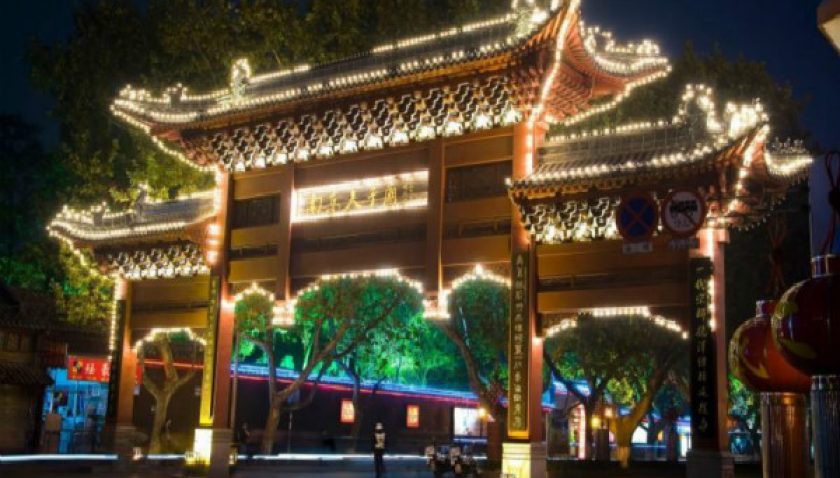
By day, the Confucius Temple complex is a study in Song-style pavilions and scholarly stalls. By night, it transforms:
River Cruises: Drift under glowing lanterns as boatmen croon folk ballads.
1912 Bar Street: Just a 10-minute walk away, this nightlife hub serves student-friendly brews and live bands.Fun Fact: Qinhuai River was once dubbed “the Lifeblood of Ancient Nanjing,” feeding imperial palaces centuries ago.
Budget Savvy: Boat rides are often negotiable—split costs with 3–4 friends to keep it under ¥30 each.
Jiming Temple & Fuzimiao Market (鸡鸣寺·夫子庙小吃街) – Spiritual Snacks
Jiming Temple: One of Nanjing’s oldest Buddhist sites (dating to 527 AD), its bright orange gate draws early-bird worshippers.Fuzimiao Market: Adjacent pedestrian lanes brim with…
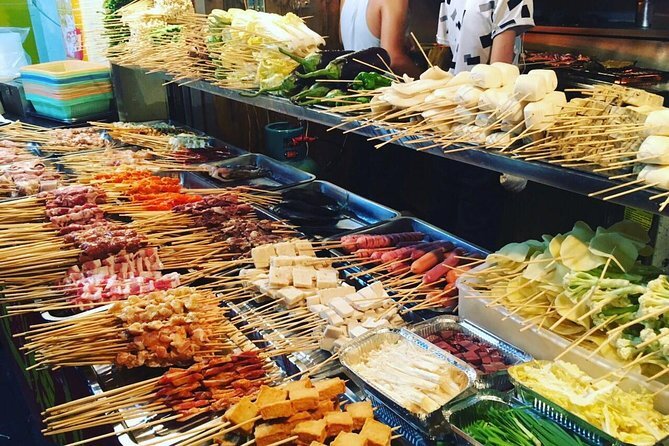
Duck-blood Vermicelli Soup (鸭血粉丝汤) – A Nanjing staple.
Sweet Osmanthus Cake (桂花糕) – Fragrant and chewy.
Hand-poured Soybean Milk & Crispy Youtiao – The ultimate breakfast duo.
Fun Fact: Legend says Jiming Temple’s name (“rooster crow temple”) comes from the thousands of roosters donated by Ming-era officers upon its reopening.
Party Like It’s 1912- Shiziqiao Bar Street (石子桥酒吧街)
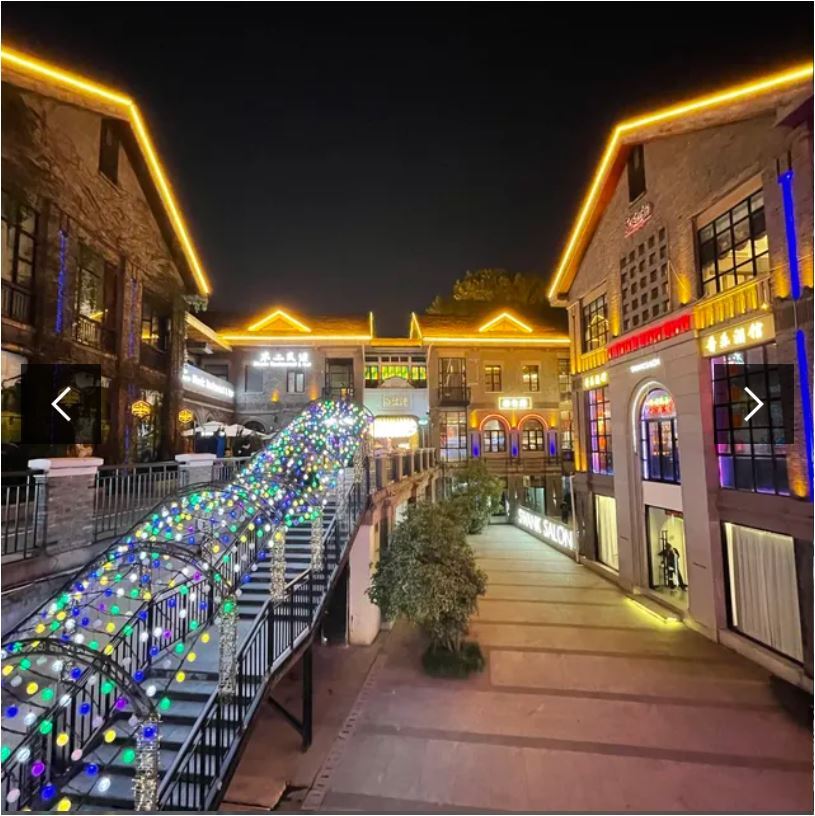
Just a 5-minute stroll from 1912, Shiziqiao is where local students and expats mingle away from the bigger tourist crowds:
Nightlife Vibe
Over 30 bars and lounges packed into a three-block lane—everything from Irish pubs and speakeasy-style cocktail dens to craft-beer taprooms.
Eats & Treats
Smoky BBQ Joints: Korean-style grilled meats and Southern-style ribs.
Street-Style Tacos & Poke: Quick bites between rounds of DnD nights or live-band sets.
Atmosphere
Outdoor seating under festoon lights, DJs spinning on weekends, and food trucks parked at the alley’s end.
Insider Tip: Late-night ramen at Ichiban Men (一番面) hits the spot after hopping bars—opens until 2 AM.
Laomendong (老门东) – Old-Meets-New Creative Hub
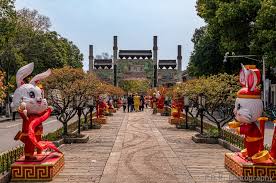
A revitalized Ming-Qing neighborhood where:
Artisans’ Workshops: Try calligraphy, paper-cutting, or pottery classes.
Riverside Cafés: Matcha doughnuts, cold-brew coffee, and riverside views.
Boutique Finds: Locally designed stationery, avant-garde fashion.
Did You Know? The district sat derelict until 2013, when the city invested in preservation—today it’s a model of cultural regeneration.
Nanjing Yangtze River Bridge (南京长江大桥) – Engineering Marvel
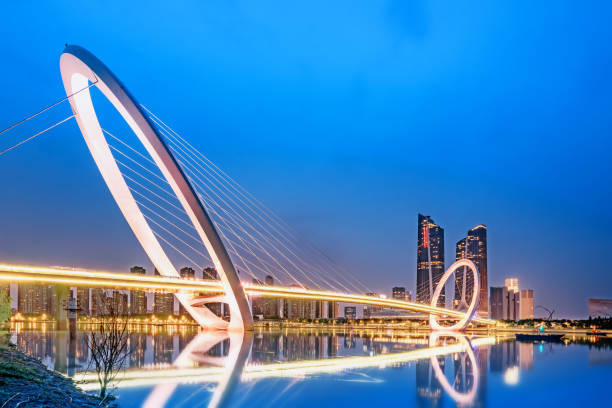
Why visit? Completed in 1968, it was the first bridge solely designed and built by Chinese engineers.Stats:
Dual-level: highway on top, railway below.
Length: 6.7 km; Height: 70 m above water.
Photo Op: Walk the pedestrian path at dawn for dramatic shots of fog over the river
Nanjing Botanical Garden (南京植物园) – Urban Oasis
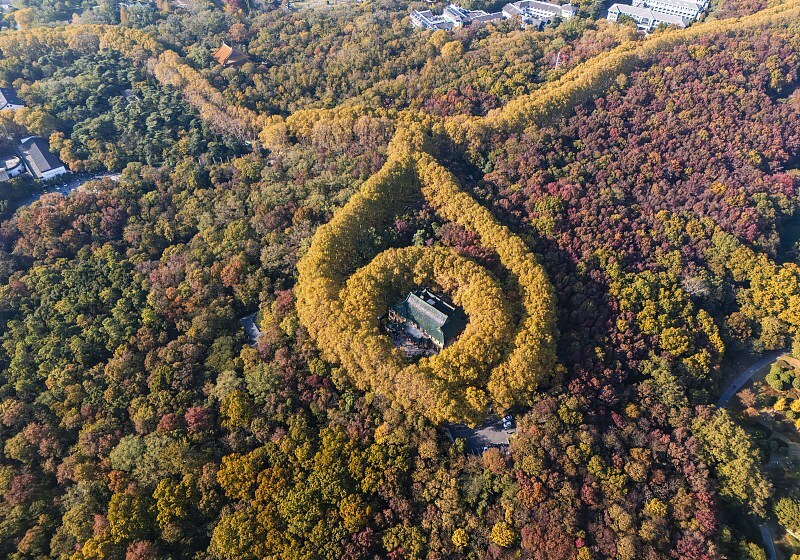
Spread over 1.4 km² at the foot of Purple Mountain, this living museum features:
Rare Orchids Pavilion: Over 300 species.
Camellia Collections: Blooming December–March.
Tropical Conservatory: Palm trees, ferns, and banana plants under glass.
Relaxation Station: Bring a picnic—lawns near the lotus ponds are prime nap territory.
Nanjing Massacre Memorial Hall (侵华日军南京大屠杀遇难同胞纪念馆) – Reflective History
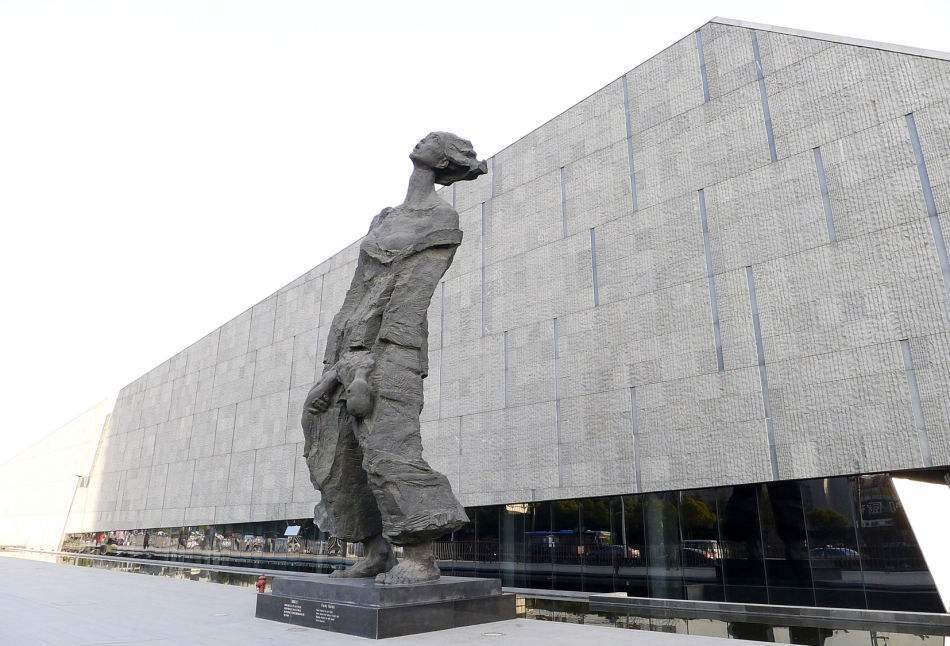
The Memorial Hall of the Victims in Nanjing Massacre by Japanese Invaders is a museum to memorialize those that were killed in the Nanjing Massacre by the Imperial Japanese Army in and around the then-capital of China, Nanjing, after it fell on December 13, 1937. A solemn but essential visit:
Main Exhibition: Documents, photographs, and artifacts from 1937.
Memorial Park: 300 m “Memorial Wall of Victims” etched with 300,000 names.Why it matters: Offers deep context on Nanjing’s resilience and the value of peace.
Be prepared for an emotional journey. The exhibits are designed to convey the immense human suffering and historical impact of the events, which can be deeply affecting. While the experience can be intense, it's also incredibly impactful and offers vital insights into resilience and remembrance.
Mochou Lake Park (莫愁湖公园) – Poetic Waterside
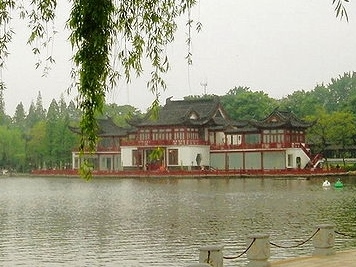
Named after a beloved Tang-dynasty poet, this 440-acre park features:
Mochou Pavilion: Overlooks willow-fringed waterways.
Bonsai Garden: Tiny trees sculpted into living art.
Night Bazaar: Local crafts and snacks under festive lights.
Trivia: Once a private imperial garden, it opened to the public in 1954.
Youth Olympic Sports Park (青奥体育公园) – Active Hangout
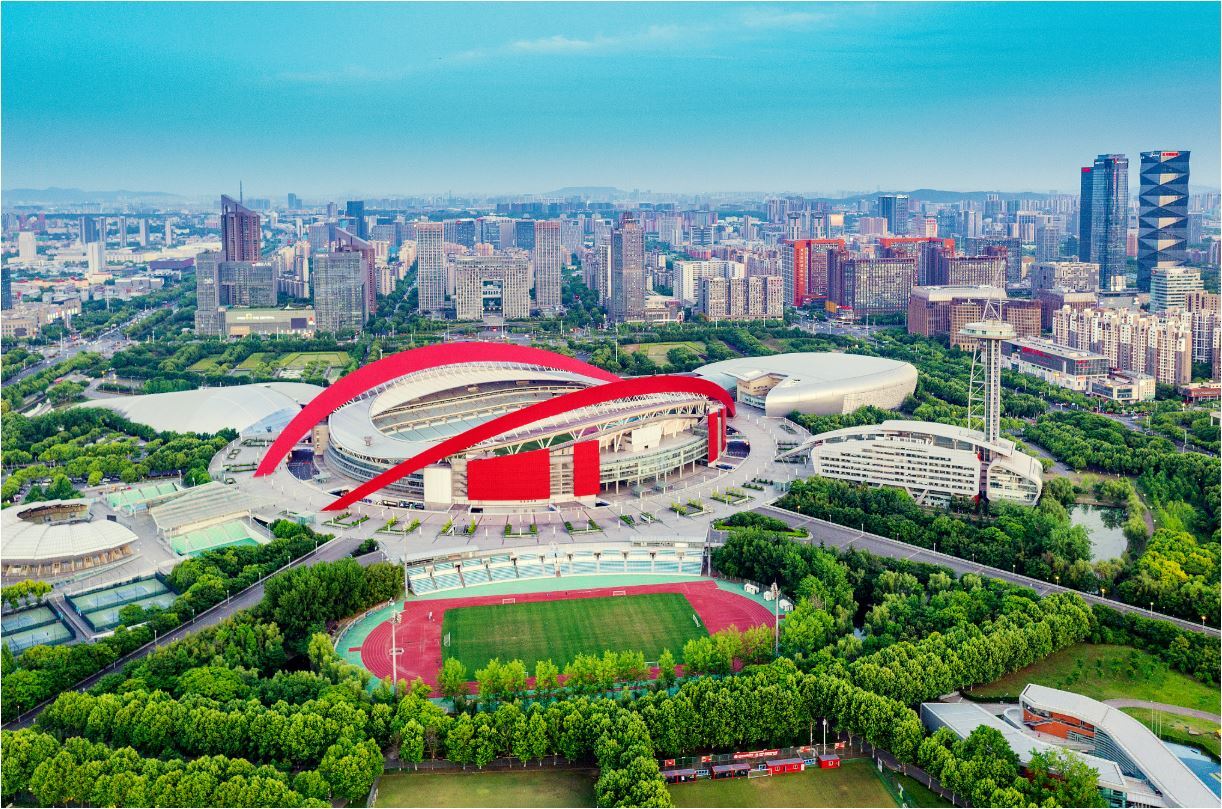
Built for the 2014 Youth Olympics, it now hosts:
Skate Parks & Climbing Walls – Gear rentals on site.
Running Trails & Yoga Decks – Panoramic cityscape views.
Seasonal Festivals – From EDM raves to lantern fairs.
Student Perk: Check campus groups for discounted event tickets.
Getting Around & Staying Safe
Metro & Buses: Metro Lines 1–4 cover major spots; buses fill in the gaps.
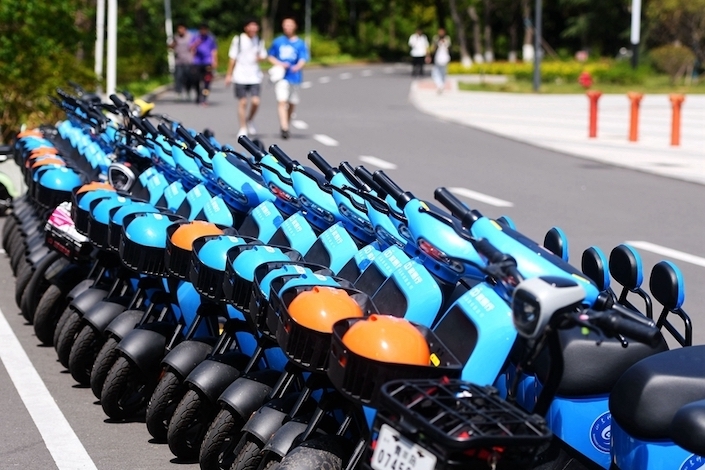
Public Bikes: Ofo, Mobike, Hello Bike—just scan and go.
Didi (滴滴出行): Late-night lifeline when metros close (usually at 11 pm).
WeChat Pay & Alipay: Essential—download and link an international card before arrival.
Language Pointers: “请问” (qǐngwèn: excuse me), “多少钱” (duōshǎo qián: how much), and “谢谢” (xièxie: thank you) will take you far.
Bonus Eats & Sleeps
Breakfast: Congee and youtiao at street stalls near campus—super cheap and filling.
Lunch: 学生食堂 (university canteens) usually have a variety of dishes for ¥5–¥10.
Dinner: Hotpot with friends at Haidilao (student discounts sometimes available!) or sample Nanjing’s famous salted duck at 小田盐水鸭.
Budget Stay: Hostel dorms around Xinjiekou (city center) start at around ¥60/night, with free breakfast and social events.
Packing Essentials
🔌 Portable Charger & Travel Adapter: Your phone’s your map, translator, and photo studio—keep it juiced.
👟 Comfortable Walking Shoes: Trust me, you will be walking a lot.
☔ Compact Umbrella or Lightweight Rain Jacket: Sudden summer showers are common.
📱 Offline Map & Translation App: Download Baidu Maps/Gaode and Pleco to navigate and order food.
🧢 Sun Protection: Sunglasses, hat, and sunscreen for lakeside picnics or rooftop bars.
💧 Face Masks & Hand Sanitizer: Crowds and street-food stalls call for extra hygiene.
Pack your backpacks, ready your taste buds, and set your map app to “adventure.” Nanjing’s wonders await—will you conquer the city wall at dawn, chase cherry blossoms on Purple Mountain, or hunt the ultimate street-food bite under lantern-lit skies? Only one way to find out. 欢迎来到南京,祝你玩得愉快! 🎓📚🏮