Troy University
 Facebook
 Instagram
 Youtube
 Tiktok
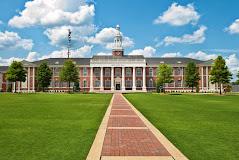
Troy University is a public university recognized for its commitment to serving traditional students, military personnel, and international students through flexible educational programs including online learning. The university has evolved from a normal school into a comprehensive university offering associate to doctoral degrees. Its main campus features a blend of traditional and modern facilities on an expansive rural-style campus. Troy University is known for its innovation in education including its early adoption of online courses beginning in 1997. Academic strengths include accredited programs such as the only ABET-accredited surveying and geomatics sciences program in Alabama, as well as others in business, education, nursing, and liberal arts.




- Official academic records
- Financial statement and certificate
- Statement of purpose
- Letter of recommendation
- Copy of passport
- Curriculum vitae
- Valid Passport
- Academic Transcripts (translated into English if necessary)
- Standardized Test Scores (e.g., SAT/ACT for undergraduate; GRE/GMAT for graduate programs—note that many universities have adopted test-optional policies since 2021)
- English Proficiency Test Scores:
- TOEFL iBT (recommended: 80–100+)
- IELTS (recommended: 6.5–7.5+)
- Duolingo English Test (DET) (recommended: 110–130+)
- Letters of Recommendation (typically 2–3)
- Statement of Purpose / Personal Essay
- Resume/CV (especially for graduate programs or work experience-based applications)
- Application Form and Fee: Most applications cost $50–$100
- Portfolio (for design, art, music, or architecture-related programs)
- Undergraduate: Tuition & Fees ($20,000 – $50,000), Living Expenses ($10,000 – $18,000), Health Insurance ($1,200 – $2,400), Books & Supplies ($800 – $1,500). Total: $35,000 – $70,000+
- Graduate: Tuition & Fees ($25,000 – $60,000), Living Expenses ($10,000 – $20,000), Health Insurance ($1,200 – $2,400), Books & Supplies ($800 – $1,500). Total: $37,000 – $80,000+
- Work up to 20 hours/week during the academic semester
- Work full-time during scheduled breaks (summer, winter)
- Employment is usually limited to on-campus jobs in the first academic year
- Curricular Practical Training (CPT) – Paid internships or training related to your field of study
- Optional Practical Training (OPT) – Temporary work authorization after graduation or during your final year
Similar universities